








Get in touch

You, beyond sugar.
Your sensor sees glucose.
Halo sees you.
Ecosystem
One ecosystem, designed to empower.
From the moment of diagnosis onward: insight into what your body is actually doing, education that meets you where you are, and specialists when you need them.
- 01AI companionYour sensor sees glucose, Halo sees you.The right insights at the right time.
- Tells you exactly what is happening, and why
- Comprehensive insights about your health
- Finds the most important patterns
- 02Personalised educationEducation that fits you.The right education at the right time.
- From new diagnosis to long-term management
- Calms and engages through a frightening period
- Every level of comprehension, with visuals to match
- 031:1 supportThe people who know, when you need them.The right specialists at the right time.
- Instant access
- Clinical specialists
- Peer community
Supported by
Principles
What Halo stands for.
- Clarity from noiseFrom too many variables to answers you can act on.
Diabetes takes up a lot of headspace — food, stress, exercise, hormones, all at once. Halo brings them together in one place, so clear answers take seconds, not hours.
- Tuned to youFrom something unpredictable to your actual patterns.
What spikes you might not spike someone else, and hypos can arrive with little warning. Halo learns your levels as you go, and flags what's coming before it happens.
- A calm presenceFrom impersonal tools to something you want to open.
Most diabetes devices feel clinical, and the alarms can make things worse. The rest of tech is crafted to feel good to use — this should be too: effortless, comforting, supportive.
- Straight with youFrom general advice to what's really working.
Generic advice doesn't reflect your experience, and a specialist only sees part of your history. Halo tells you what actually works — and connects you to a specialist when you need it.
AI Study
A study-backed process.
Halo begins with building an AI for diabetes. To accomplish this, we’re opening a six-week research study with two hundred volunteers and asking them to share the everyday signals behind their glucose levels. We want to learn about what truly moves the needle and built around real lives.
147/ 200
spots remaining
Built by people who live it.
The research study runs with volunteers who have diabetes — what you share shapes what Halo becomes.
Bigger picture
Just the beginning.
This is the first step in what we hope Halo grows into. We’re not just building another app — we’re envisioning a new way for people to better understand and manage diabetes.
We also want the people who live with diabetes to be able to shape Halo in their own image: representative of you, and responsive to what you want to see built.
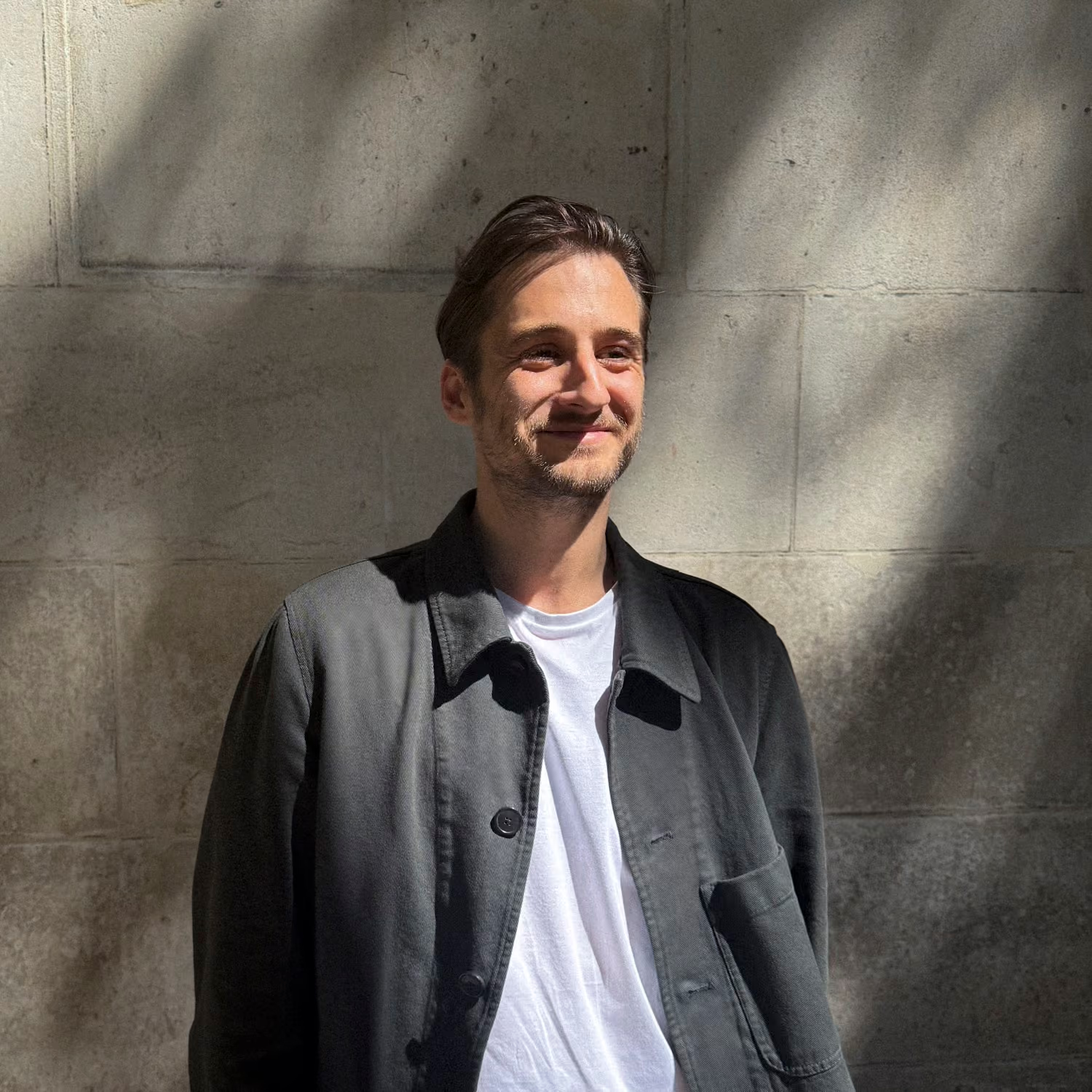
With love,
Alexander SpencerFounder